
Our Stewardship to the Land
We Are AllGuestsHere
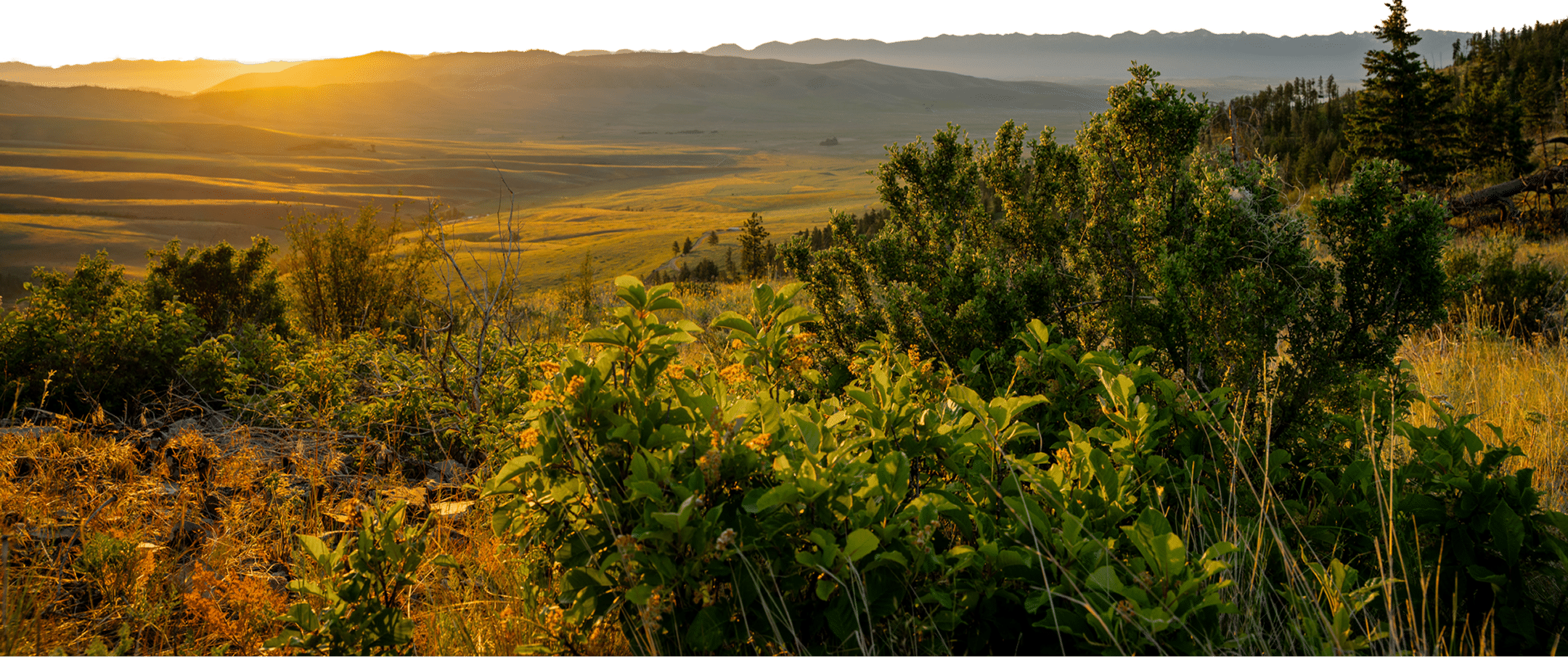
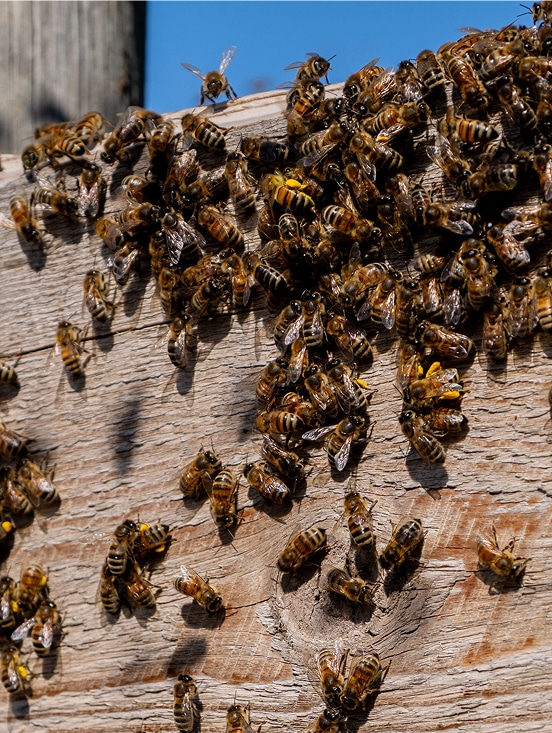
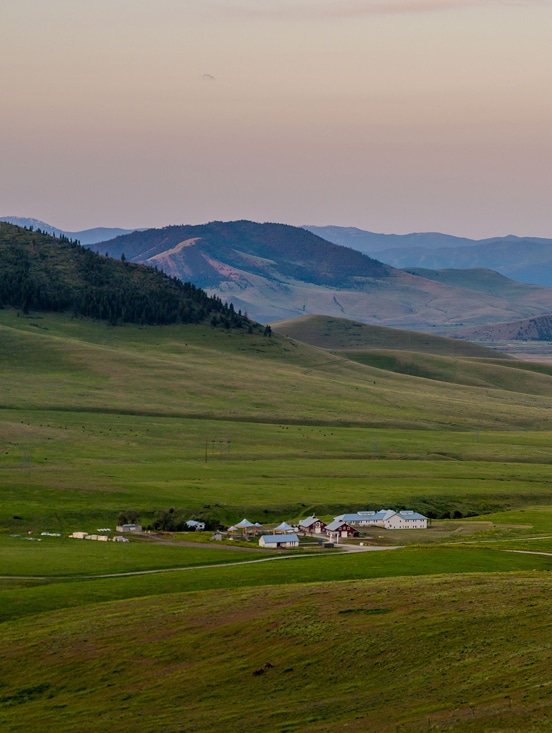
From microscopic critters in the soil to native plants to leased cattle in the grazing program, we are stewards of more than the land. We care for and consider all sentient beings who call this land home. We strive to preserve the land and keep its appearance as close to the wild and rugged Montana we all hold dear.
Namchak’s commitment to sustainability and the environment is a primary consideration during all projects at the Ranch, including permaculture, animal caretaking, and construction.
Land Acknowledgement
We are in the homelands of the Séliš (Salish), Koontenai, and Ql̓ispé (Kalispel) people
We offer our respect for their history and culture, for their ancient and continuing presence in this landscape, and for the path they have shown us in caring for this place for the generations to come.

Nurturing the Land
Caring for This Sacred Place
Permaculture
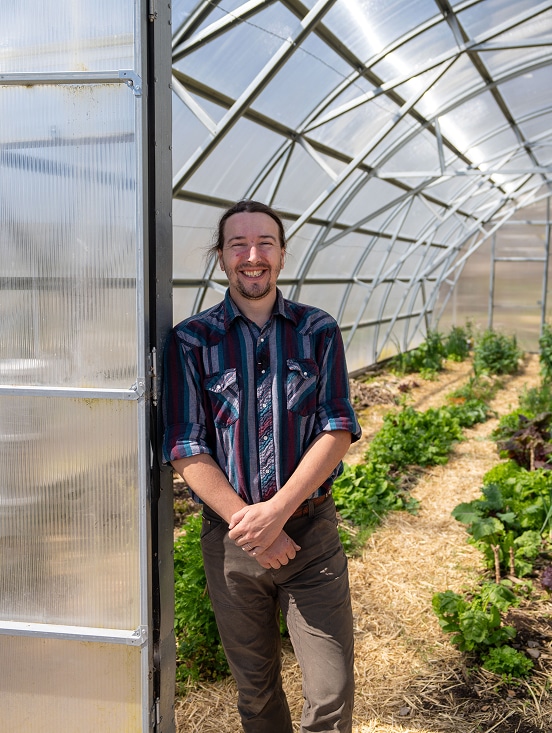
Permaculture is a farming system that mirrors nature. Within our unique microclimate, we utilize planting methods that replicate nature’s tendency for diversity, sustainability, and balanced growth. Instead of typical monoculture-style practices of growing swaths of one variety of fruit or vegetable, spraying with pesticides, and harvesting, permaculture mimics natural ecosystems to form a food-producing system. Then, that food is used to nourish our retreat participants.
What’s Growing at the Ranch?
- Apples
- Goji berries
- Vegetables
- Saskatoon
- Plums
- Walnuts
- Hazelnuts
- Mushrooms
Animals of the Ranch
Our Interconnection with All Sentient Beings
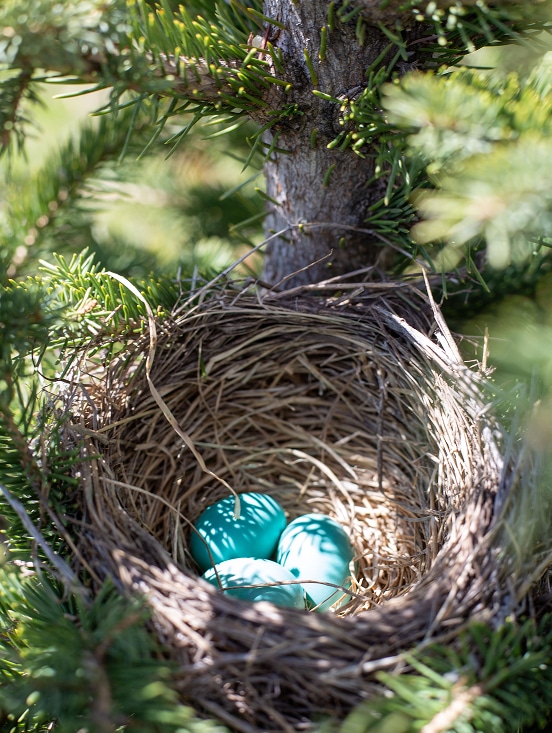
Our wildlife is as unique as the microclimate of our area. The Namchak Retreat Ranch is home to a variety of animals, including elk, bears, wolves, coyotes, snakes, frogs, bobcats, mountain lions, and hundreds of bird species. This includes several threatened species. The sheer density of animals on the property is notably higher compared to other areas with harsh climates in Montana.
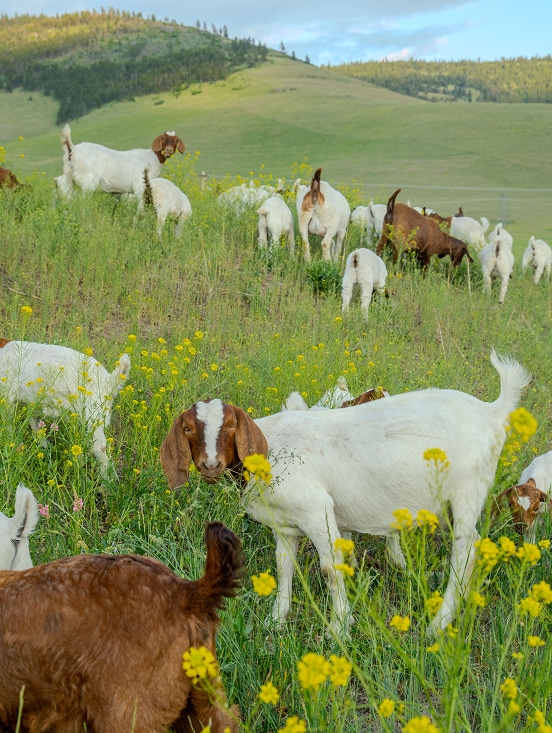
In addition to local wildlife, we have chickens and turkeys who do an excellent job with insect management. We lease land for our cattle grazing program and follow a rotational grazing system to enhance soil health. When herds are rotated appropriately, they increase the amount of organic matter in the soil. Not to mention, the grazing really helps with noxious weeds! In the upcoming months, we plan to add bison to the rotational grazing mix.

Building for the Future
Our Sustainability Practices
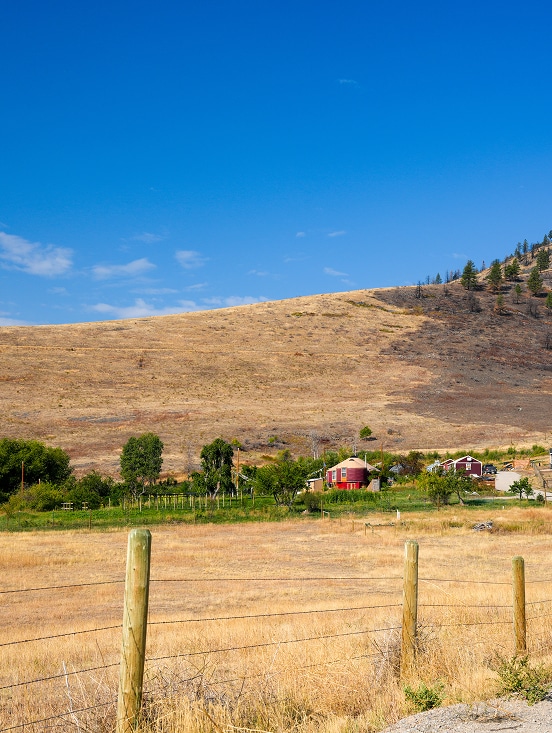
Before we began construction, we completed a broad natural resources assessment. From that assessment, we implemented comprehensive management strategies, including riparian restoration, noxious weed removal, native reseeding, fence removal, and replacement of barbed wire with wildlife-friendly fencing. Regarding construction, we build for the long term. We select efficient and sustainable materials designed to last for 200 years and maximize our use of solar energy.
We regularly assess our long-term environmental impact by monitoring the snowpack and rainfall and analyzing how much naturally recharged water we feed back into the aquifer. We select drought-resistant plants, utilize a rainwater collection system, and avoid extracting additional water to create green spaces. Our buildings have a gray water recycling system, which means we recycle water, use it, treat it, and put most of it back into the ground.
While we honor and tend this land, we recognize it is inseparable from the broader web of life. In caring for this land, we learn the value of living in right relationship with all places, all beings, and the planet we share.